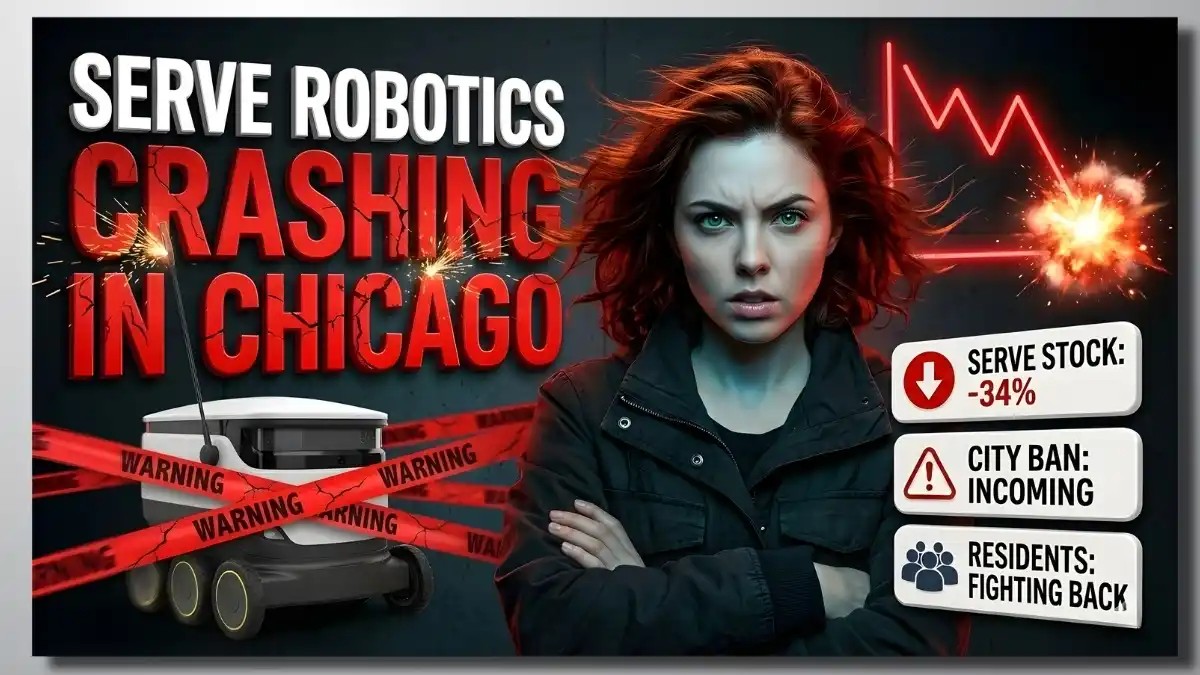
Is Serve Robotics Stock Performance Worth the Hype Amid Chicago Delivery Robots Backlash?
Short answer: The recent dip in Serve Robotics stock performance suggests the hype might be premature. Long answer: Everyone’s quick to celebrate tech innovation, but the reality on the ground often tells a different story. I’ve been watching autonomous delivery closely, and the pushback from Chicago residents against delivery robots reveals a crucial lesson for investors and tech enthusiasts alike.
What the Marketing Doesn’t Tell You About Serve Robotics
Let’s be honest about the glossy presentations. Serve Robotics, like many tech companies, pitches a future of seamless, efficient urban logistics. Their marketing highlights reduced costs and environmental benefits. But the real-world deployment of sidewalk robots is far from simple, especially when it meets everyday urban life.
The company touts its partnerships and growth, suggesting a smooth path to market dominance. However, after analyzing the situation thoroughly, I’ve noticed a significant gap between corporate vision and community acceptance. This gap is precisely where investor risk multiplies, negatively affecting Serve Robotics stock performance in unexpected ways.
The Hidden Costs and Limitations
The marketing often hides the hidden costs and limitations beyond just operational expenses. We’re talking about the social friction, the strain on public infrastructure, and the inevitable regulatory hurdles. Residents in Chicago are not just complaining; they are actively lobbying for bans or strict regulations, citing safety concerns and sidewalk accessibility.
I’ve seen this pattern before: rapid deployment without adequate public discourse leads to backlash. This friction can directly impact Serve Robotics stock performance, pushing down valuations. These are not minor inconveniences; they are fundamental challenges to how such technologies integrate into dense urban environments.
The Honest Truth About Robot Delivery Challenges
When we talk about robot delivery challenges, it’s easy to focus on technical glitches or battery life. But the more profound truth lies in human perception and community integration. Are these robots truly serving everyone, or are they creating new problems for vulnerable populations, like the elderly or those with disabilities?
The arguments from Chicago residents about sidewalk congestion and potential safety hazards are valid. These aren’t just isolated incidents; they represent a growing public sentiment. Ignoring this vital feedback is a grave mistake, and it highlights a critical oversight in the rollout strategy of many autonomous delivery companies, including Serve Robotics.
Who This Really Works For: Understanding the Impact of Robot Regulation
Ultimately, we need to ask: who truly benefits from these systems? While companies promise convenience and efficiency, the actual beneficiaries might be narrower than advertised. The impact of robot regulation will define where and how these services can realistically operate. Potential restrictions directly affecting Serve Robotics stock performance and market expansion become a real concern.
My extensive research indicates that while some urban logistics problems can be solved by robots, public trust and comprehensive regulatory frameworks are non-negotiable. Without these, even the most advanced technology will stumble. The future of last-mile delivery isn’t solely a technological race; it’s a social and legal one, fraught with ethical implications.
So, considering the escalating resident pushback and the subsequent impact on Serve Robotics stock performance, are we critically evaluating these technologies or just blindly accepting the next big thing? It’s time to weigh the real-world implications against the market hype.
Frequently Asked Questions
Q: What is the primary impact of robot regulation on companies like Serve Robotics?
A: The primary impact of robot regulation is increased operational uncertainty and potential restrictions on deployment areas, directly affecting market expansion and profitability. This can lead to investor concern and negative stock performance.
Q: How does public perception of robots affect their adoption in urban areas?
A: Public perception of robots significantly influences their adoption. Negative perceptions regarding safety, job displacement, or sidewalk congestion can lead to resident pushback, regulatory bans, and a slower, more challenging market entry for autonomous delivery services.